

Suspension & Steering Parts Manufacturing Equipment
Explore the machining, forming, assembly, and inspection equipment supporting GDST's suspension and steering parts manufacturing capabilities.
Stamping & Forging Equipment
Handles the cutting, pressing, and shaping of metal parts for suspension and steering components.
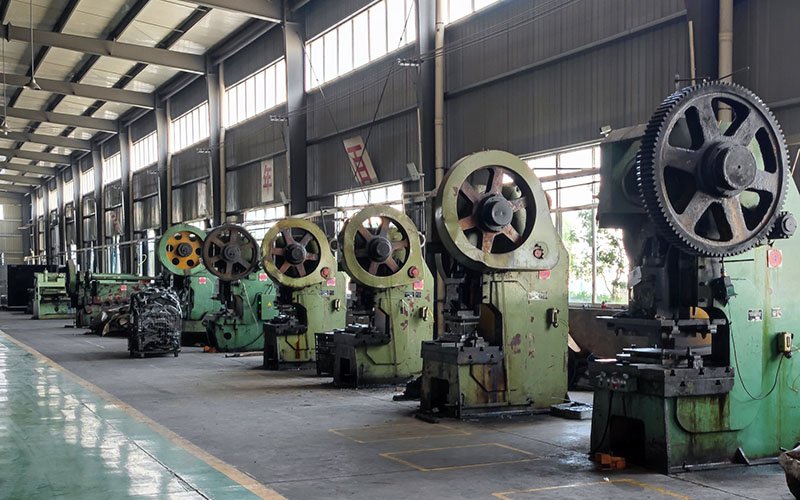
Forging Press
Forms high-strength metal parts through controlled forging pressure.
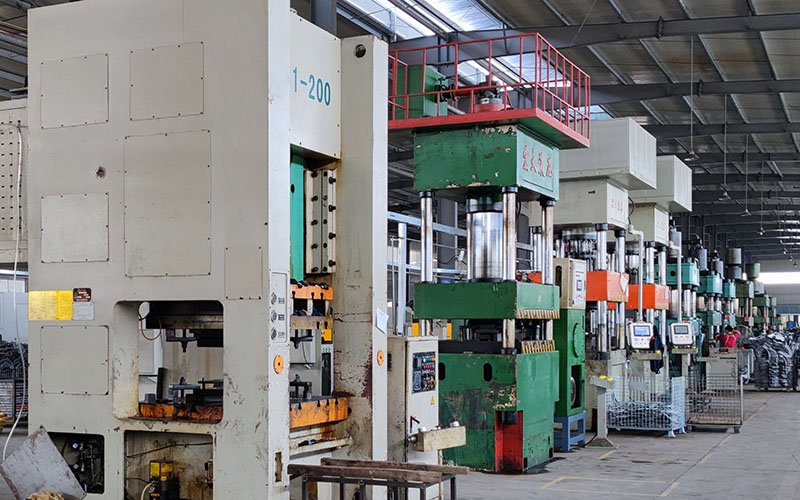
Stamping Machine
Produces consistent stamped components with efficient repeatability.

Cutting Machine
Cuts metal materials accurately for further forming and machining processes.
CNC Machining Equipment
Handles the detailed machining work, from holes and threads to shafts and other precision areas.
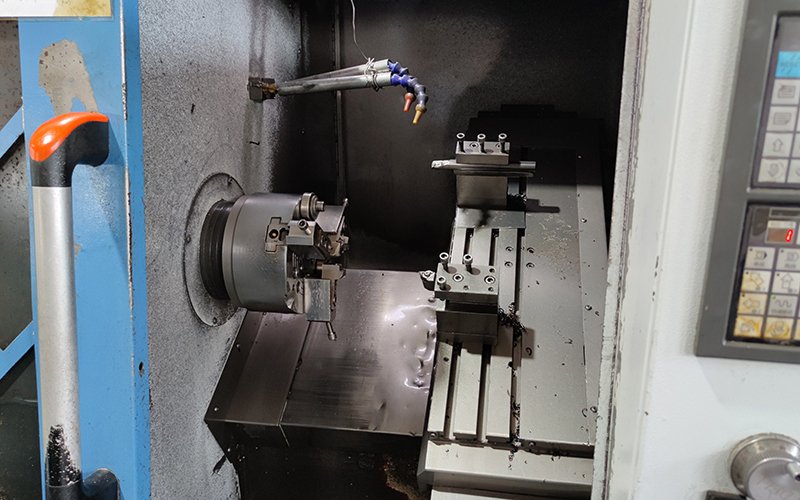
CNC Lathe
Handles turning work such as shafts, threads, and round metal components, helping maintain accurate dimensions and smooth surfaces.
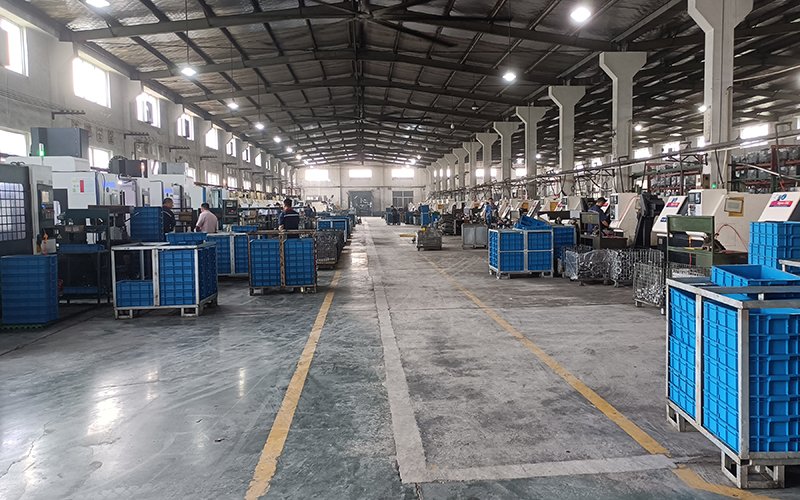
CNC Machining Center
Combines milling, drilling, and other machining operations in one machine, making complex metal components more accurately and efficiently.
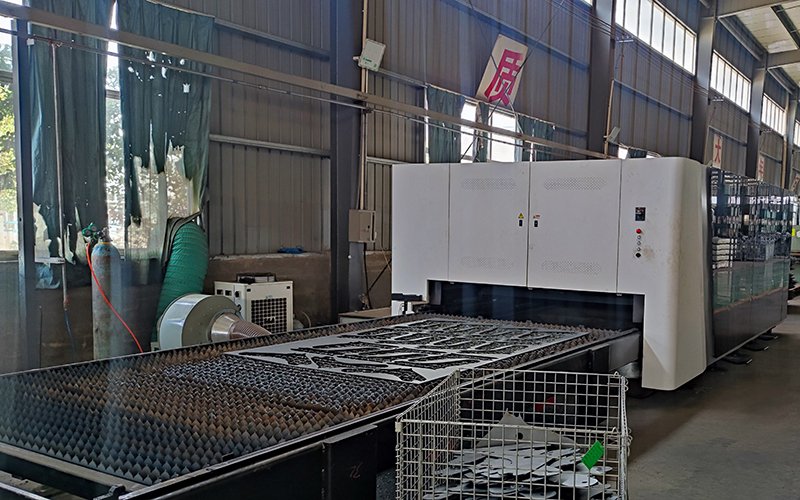
CNC Laser Cutting Machine
Cuts steel plates and blanks with clean edges for welding, bending, and assembly across suspension and steering production lines.
Rubber Processing Equipment
Covers the main steps of rubber processing, from mixing and shaping to vulcanizing and cutting.
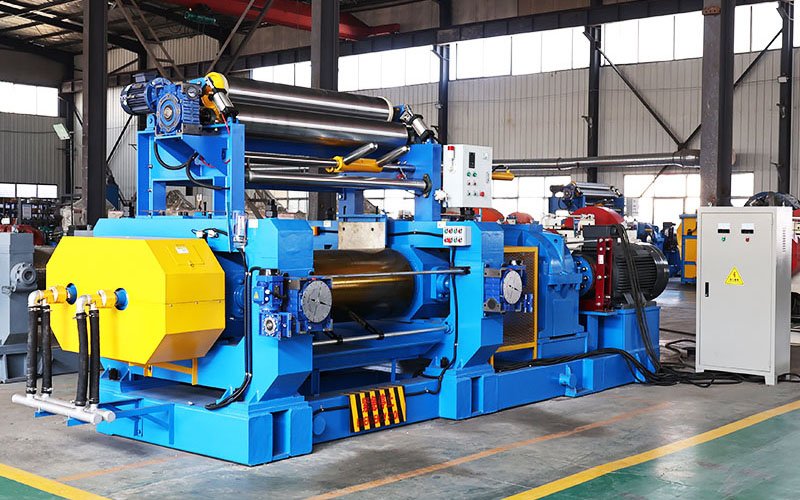
Rubber Mixing Mill
Mixes rubber and other materials evenly to prepare the right material for production.
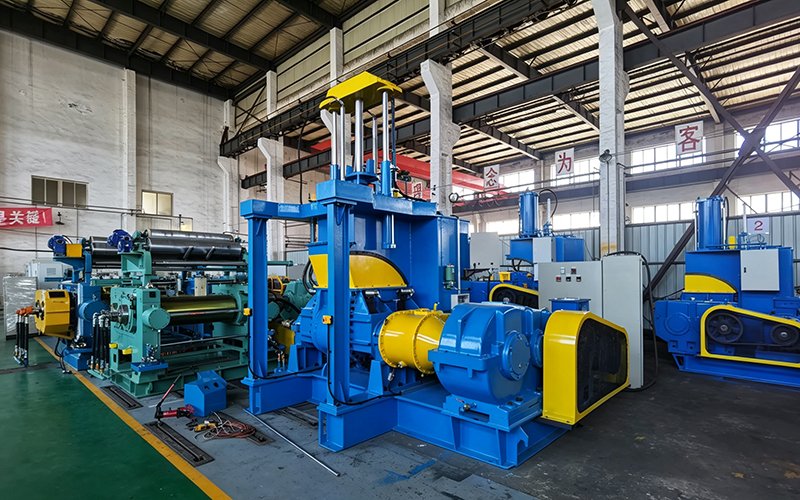
Internal Mixer
Blends rubber with different ingredients to achieve the required material properties.
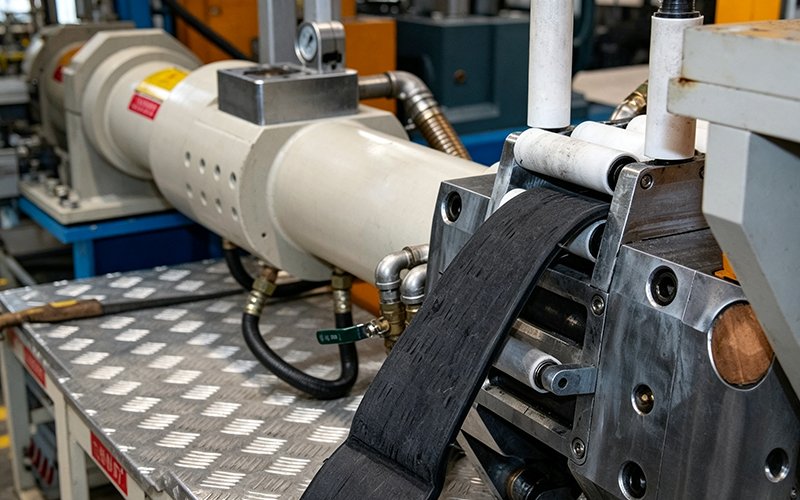
Rubber Extrusion Machine
Shapes rubber continuously into different profiles and sizes.
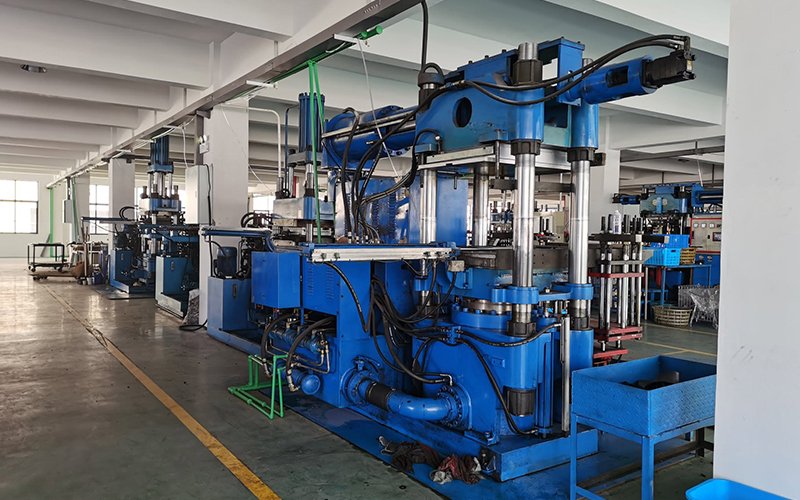
Vulcanizing Press
Applies heat and pressure to give rubber parts their final shape and elasticity.
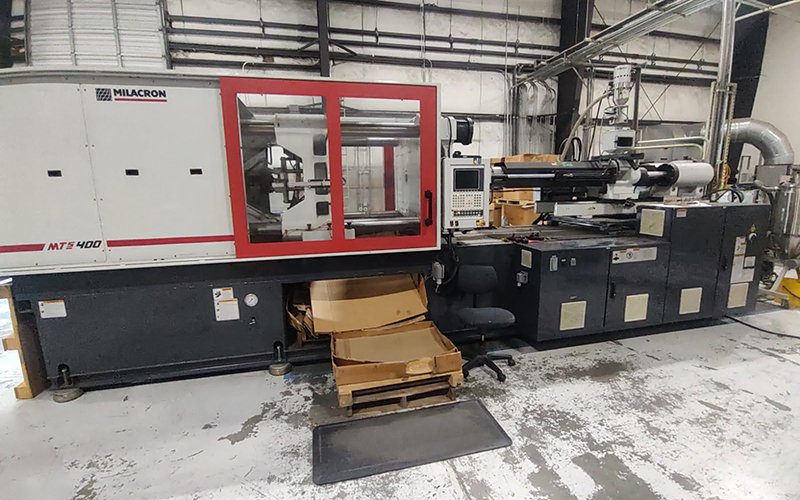
Rubber Injection Machine
Forms rubber directly in molds, making it suitable for different bushing and rubber components.
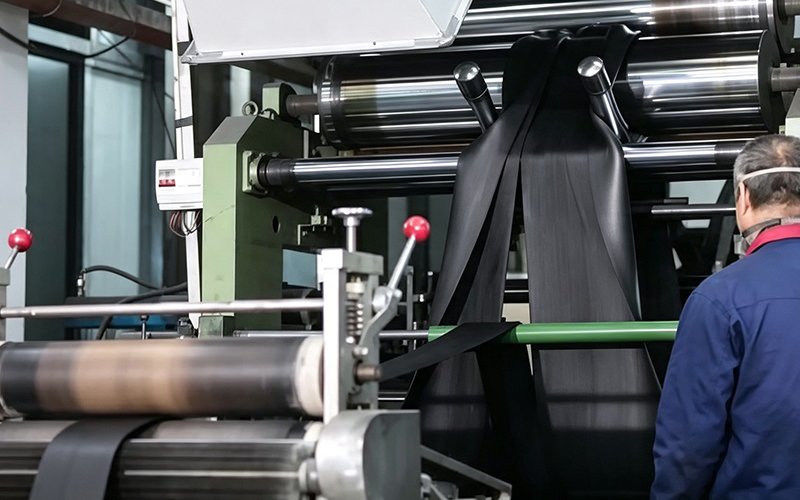
Rubber Cutting Machine
Cuts rubber materials cleanly and consistently according to the required size.
Assembly Equipment
Brings individual components together and makes sure they fit securely before final inspection.

Hydraulic Assembly Press
Provides controlled pressure to fit different components together accurately.

Ball Joint Press-in Machine
Helps position and press ball joints into the housing correctly.

Riveting Machine
Creates strong connections between metal components through secure riveting.

Bushing Press Machine
Fits bushings into control arms and other suspension components with consistent pressure.
Heat Treatment Equipment
Improves the strength, hardness, and wear resistance of important metal components.

Heat Treatment Furnace
Controls heating conditions to improve the overall strength and durability of metal parts.

Quenching Equipment
Rapidly cools heated metal parts to achieve the required hardness.

Tempering Furnace
Helps balance hardness and toughness after the quenching process.

Induction Hardening Machine
Hardens specific areas of a component to improve wear resistance and durability.
Surface Treatment Equipment
Protects metal components from corrosion while giving them a clean and durable surface finish.

Shot Blasting Machine
Cleans metal surfaces by removing rust, scale, and other surface impurities.

Sandblasting Machine
Prepares metal surfaces for painting or coating by cleaning and slightly roughening the surface.

Phosphating Line
Adds a protective surface layer that helps improve corrosion resistance and coating adhesion.

Electroplating Line
Adds a protective coating to metal parts for better corrosion resistance and surface durability.

Powder Coating Line
Applies a durable powder coating that protects metal parts and gives them a clean finish.

Painting Line
Provides the required paint finish while adding another layer of protection to metal components.
Precision Manufacturing
Designed for Consistent OE Fitment
Manufacturing equipment plays an important role in maintaining accurate product dimensions. Precision processing allows critical components to be produced according to controlled specifications and repeatable production standards.
Consistent Dimensions
Controlled critical dimensions across production batches.
Stable Machining
Repeatable processing for key metal components.
Batch Consistency
Standardized processes reduce production variation.
OE-Based Development
Original parts and OE references support product development.
Supported by Advanced Inspection Equipments
Precision manufacturing is incomplete without precise measurement. Our workshop features a dedicated testing lab to verify every machining dimension and material property before mass delivery.
From raw material chemical analysis (IQC) to 3D coordinate checks (IPQC) and destructive fatigue testing (OQC), our hardware infrastructure ensures zero-defect output.
Key Lab Inspection Hardware
Explore More
You May Be Interested In
Learn more about our production capability, factory environment, quality inspection process, and support resources for automotive aftermarket buyers.